What if the very thing you thought disqualified you was actually where God wanted to redeem you?
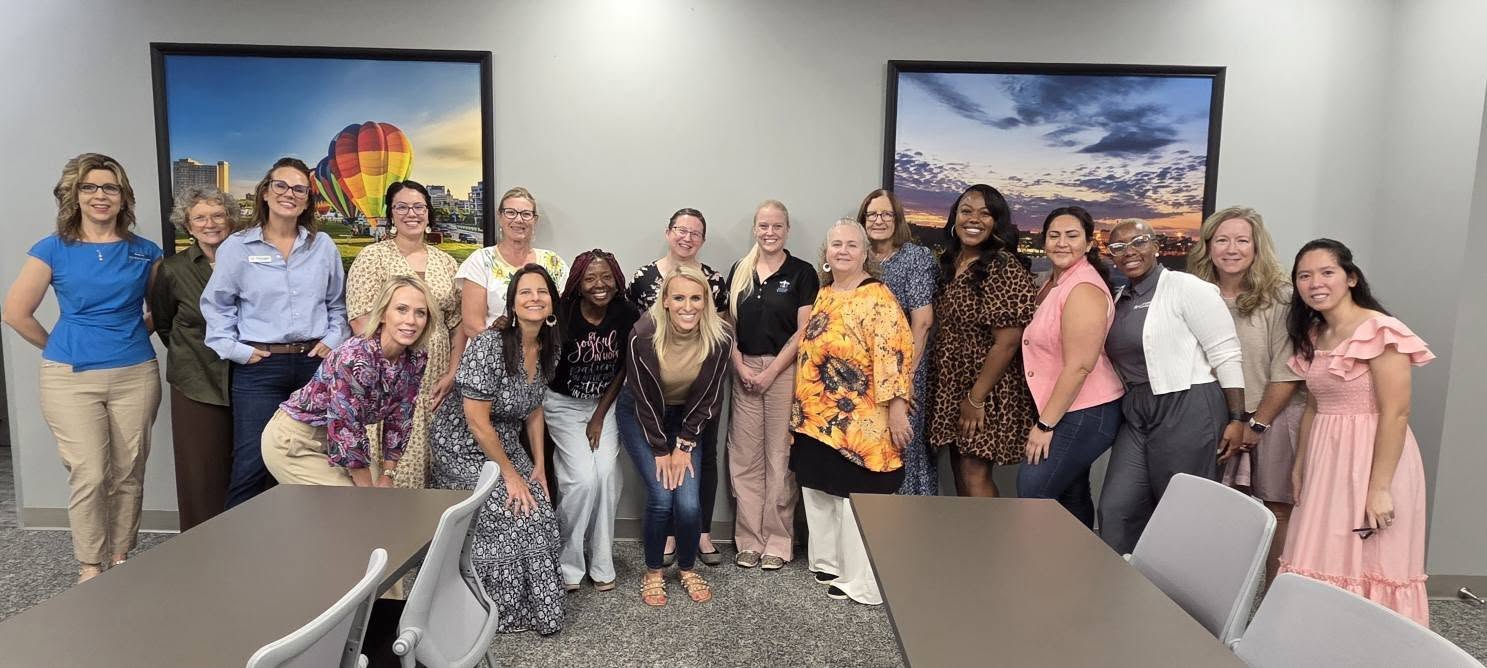
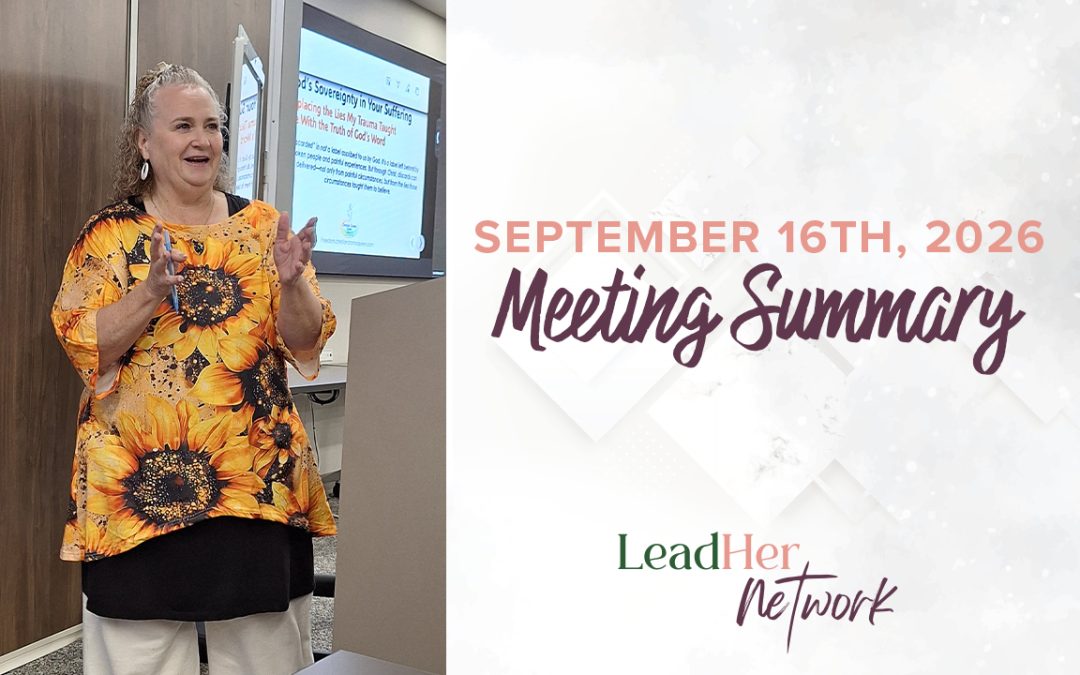
That question was at the heart of Lisa Schaefer’s powerful message at LeadHer Network. As we continue our yearlong faith-formation journey, Lisa reminded us that growth in faith, wisdom, courage, leadership, and purpose requires us to become rooted in God’s truth—not in the painful experiences, rejection, or labels that may have shaped us.
LeadHer Network exists to help women grow through biblical teaching, prayer, encouragement, shared wisdom, and practical leadership tools. Our monthly meetings, table conversations, prayer opportunities, and optional weekly practices are intended to build on one another as we learn to lead with faith, integrity, and confidence in Christ.
The Courage to Discuss Hard Things
Lisa opened by acknowledging the subjects many people would rather avoid: abuse, abandonment, rejection, betrayal, shame, victimization, and the deep wounds that can occur in families, relationships, and even within the church.
She shared that talking about painful realities is not easy—and that some people may prefer silence around those stories. Yet she has learned that there can be real freedom on the other side of honest conversations.
Lisa does not share her story because it is simple or comfortable. She shares it because God has redeemed it.
After 40 years as a medical professional, Lisa sensed God calling her into something new. She did not know exactly what that next step would look like until she felt Him leading her to write—despite the fact that she did not enjoy writing. As she began, she discovered that her life held stories God could use: experiences of poverty, being raised by a single mother, homeschooling, feeling like she did not fit in, and longing for the security she did not have growing up.
Most significantly, Lisa shared the lasting impact of her father leaving when she was two years old. The absence created questions that followed her into adolescence, marriage, and motherhood:
- Why didn’t he want me?
- Why didn’t he call, send cards, or make an effort?
- What was wrong with me?
- Why wasn’t I worth choosing?
Those questions can become beliefs if we do not confront them with truth. For Lisa, the lie became: “I was rejected because I have no value.”
But God began showing her a different truth: her value was never determined by another person’s ability—or inability—to love her well.
Three Lies, Three Truths
Lisa’s teaching centered on replacing painful lies with the unchanging truth of God’s Word.
1. God determines our worth
Lisa reminded us that a parent’s absence, a spouse’s betrayal, a friend’s rejection, or another person’s harmful choices do not define our identity.
She eventually developed a relationship with her father as an adult and was present near the end of his life. Even after extending forgiveness, she encountered another painful moment when he said he would not change anything about his life.
That experience revealed an important truth: sometimes the people who hurt us are not emotionally, mentally, or spiritually equipped to give us what we needed from them.
That does not make their actions right. It does not erase the hurt. But it can help us release the false burden of believing someone else’s failure was evidence that we were unworthy of love.
Key Scriptures included:
- Psalm 139: We are fearfully and wonderfully made.
- Isaiah 43: God calls us by name and says, “You are mine.”
- Romans 5:8: Christ died for us while we were still sinners.
Our worth was not established by our parents, spouse, friends, church community, coworkers, or those who wounded us. Our worth was established by God.
2. Our past does not define our future
Lisa also challenged the belief that trauma, rejection, or past mistakes permanently define us.
Trauma can leave scars, but a scar is evidence that something happened—not proof that someone is beyond healing, permanently broken, or without a future.
A helpful distinction from the message:
- Your biography is what happened to you.
- Your identity is who God says you are.
Romans 8:28 does not say that every circumstance is good. Some things that happen are deeply wrong, painful, and unjust. But God can work in and through all things for good according to His purpose. He can redeem what was intended to harm us and bring hope, compassion, wisdom, and ministry from the very places we once wished we could hide.
Lisa’s life is a testimony to that redemption. The story she once carried in shame is now being used to comfort women who are hurting and help them move toward biblical forgiveness and freedom.
3. God sees us in suffering
Perhaps the hardest question Lisa addressed was this: “If God loved me, why didn’t He stop it?”
Why would God allow suffering? Why would He allow an innocent child to be harmed? Why did He not intervene in the way we believe He should have?
Lisa did not offer an easy answer or minimize the weight of that question. Instead, she reminded us of the character of God:
- He knew.
- He saw.
- He was there.
- He loves.
- He comforts.
- He redeems.
Even when we cannot understand why something was allowed, we can continue to seek and trust the God who sees us fully.
Lisa shared openly about the difficult journey of forgiving the person who sexually assaulted her as a young child. Forgiveness did not mean forgetting, pretending it did not happen, or excusing what was done. It meant releasing the power that pain held over her life.
The memories did not instantly disappear. She shared that she can still wake during the night remembering what happened. But the memory no longer has the same power over her. She is no longer defined as the little girl who was harmed. She is a survivor, a woman loved by God, and someone whose story now brings comfort to others.
Our Stories Can Bring Comfort
Lisa’s message connected beautifully with 2 Corinthians 1, which teaches that God comforts us in our troubles so that we can comfort others with the comfort we ourselves have received.
God does not waste our pain.
He does not waste our stories.
He does not waste the years that feel lost.
He redeems.
This does not mean every painful event was good, deserved, or approved by God. It means that suffering does not get the final word. In Christ, pain can be met with comfort, wounds can become places of compassion, and stories of survival can become a source of hope for someone else.
Reflection and Next Steps
As we continue this year’s LeadHer journey, consider taking time to prayerfully reflect on these questions:
- Where have I allowed someone else’s opinion, rejection, abandonment, or treatment of me to become part of my identity?
- What lie have I accepted about my worth, my past, or God’s presence in my life?
- What Scripture-based truth do I need to receive and repeat this month?
- Is there a wound God may want to redeem—not by denying what happened, but by bringing healing, freedom, and purpose from it?
- How might my story someday bring comfort to another woman who feels alone?
Lisa left us with a clear challenge: walk in truth.
If the lie is, “I have no value,” the truth is: God determines my worth.
If the lie is, “My past defines me,” the truth is: God can redeem my story, and my experiences do not determine my future.
If the lie is, “God did not see me or protect me,” the truth is: God loves, sees, knows, comforts, and redeems.
And perhaps that is one reason LeadHer matters so much: sometimes we need a faith-filled community to help us remember what is true when pain, fear, shame, or old lies feel louder.
Connect With Lisa Schaefer
Lisa’s ministry helps women pursue freedom through biblical forgiveness, find hope after painful experiences, and discover that their stories still have purpose.
- Watch Lisa’s podcast video: Why God Allowed Suffering: He’s Patient, Not Approving
- Visit Lisa’s website: ChristianDramaQueen.com
- Join her Facebook community: Christian Women Forgiving the Unforgivable
- Listen to the podcast: Christian Drama Queen on Buzzsprout
- Follow on Instagram: search for thechristiandramaqueen
- Find her YouTube channel: search for ChristianDramaQueen
- Explore free resources: Freedom.ChristianDramaQueen.com
- Email Lisa: Lisa@ChristianDramaQueen.com
- Schedule a free 30-minute discovery/prayer call: Calendar.ChristianDramaQueen.com
Thank you, Lisa, for sharing with such honesty, courage, and compassion. Your message reminded us that our identity is not rooted in what was done to us, what was withheld from us, or what others believed about us. It is rooted in the God who created us, calls us by name, sees every part of our story, and is faithful to redeem.
You can download Lisa’s presentation here to view the slides she shared with us.